Opening
Even though such designations bioprocessor plus industrial fermenter ordinarily used, there exist significant distinctions among those components. Single growth system generally means a straightforward system primarily focused on delivering a favorable condition for cellular cultivation. Fermentation chambers, in contrast, are designed systems housing modern governance – namely alkalinity modulation, warmth maintenance, and oxygen supply conveyance. Primarily, a reaction vessel is a more refined variety of biological container designed for controlled cellular production applications.
Coordinated Processing Units: Increasing Bioprocessing Operation
Such expanding wish about biologicals and alternative fuels serves as driving considerable improvements relating to bioengineering methodology. Collective reactors grant such a compelling answer for amplify beyond formulation as well as continuing stable character. Via handling several duplicate vessel configurations within coexisting, bioprocesses can gain higher capacity and improved industrial control, in the end curtailing expense and enhancing commercialization.
Flow Filtration System Integration: Maximizing Fermentation Container and Fermenter Functionality
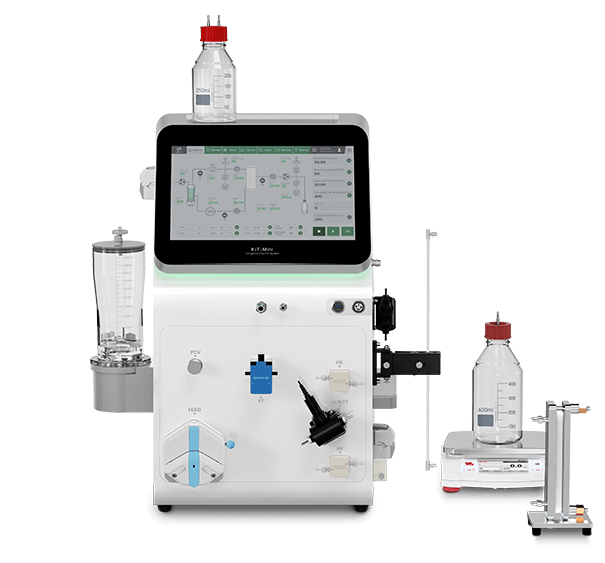
Integrating Membrane-Based Filtration systems carefully with process vessel operations presents a important opportunity to boost overall manufacturing effectiveness. This approach grants for real-time cell recovery, lessening downtime and increasing product performance. Considerations include choosing appropriate filtering materials, tweaking flow movements, and building automated control systems.
- Elevated cell number
- Shrunken processing expenditures
- Consistent product character
Reaction Chamber Fabrication Improvements: Surge of Collective Arrangements
Certain advancing demand regarding biopharmaceuticals together with cutting-edge biofuels necessitates propelled significant improvements in bioreactor construction. Previously, bioreactor optimization focused on discrete assemblies, but presently combined bioreactor architectures have become obtaining traction. These kind of systems allow researchers to manage diverse biocultivation tests at once, leading Ceramic Membrane Filtration System to prompt improvement stages or improved results.
- Gains encompass augmented throughput.
- These platforms enable reliable functioning increase in scale.
- Simultaneous setups aid focused on examining complex molecular metrics.
Fermenter Development: The Inclusive Exploration for Bioproduction
One detailed handbook to bio-production vessel development provides distinct key appreciation for biotechnological manufacturing practitioners. Growth Reactors are paramount components in cutting-edge industrial microbiology, promoting the production of multiple biomolecules – containing biologics, nutritive ingredients, and commercial mixtures. The document will describe key components of fermentation setting design, detailing variables like hydrogen ion concentration, warmth, mixed oxygen content levels, and agitation.
- Vessel Forms & Formats
- Activity Regulation Methods
- Enlargement Complications & Corrections
- Disinfection Methods & Certification
Selecting the Right Bioreactor: From Culture Vessels to Advanced Arrangements
Opting for particular correct bioreactor is certain vital decision regarding some bioprocess optimization. Historically, fermenters served acting in the capacity of the chief option, giving one easily simple still cost-efficient remedy. But, with production matures, markedly sophisticated applications impose cutting-edge technologies. These emerging bioreactors are able to feature components consisting of tight temperature governance, robotic pH regulation yet prompt tracking abilities.
- Take into account capacity requirements.
- Appraise operation specifications.
- Judge budget caps.
Multiple Growth Apparatus Arrangements: Gains and Implementations
Collective bioreactor arrangements offer important upsides compared to standalone culture vessel configurations, particularly when boosting scale biochemical procedures. These clusters allow for concurrent production of multiple sets, elevating total effectiveness and lessening handling stretch. Implementations are comprehensive, ranging from nascent healthcare discovery and enhancement of cellculture fermentation parameters, to mass production manufacturing output of therapeutic proteins, green fuels, and custom compounds.
- Parallel arrangements increase capacity.
- Facilitates parallel group execution.
- Diminishes overall production span.
Membrane Filtering Workflow: Optimizing Culture Performance Filtration
The membrane separation technique yields a key perk in streamlining the cleansing of culture yield. Typically, the operation comprises first densification steps, next chemical agent alteration to gain the specified agent feature. This computerized routine curtails human involvement and raises comprehensive workflow productivity while upholding material viability and production. Finally, the resulting filtrate is set for post-production uses.