Beginning
As the lexemes culture vessel plus bioreactor are often applied, there are important variations amidst the two. Singular cell vessel generally represents a fundamental device primarily focused on creating a conducive surrounding for microorganism proliferation. Cell culture reactors, on the other hand, are fabricated platforms featuring sophisticated controls – such as acidimetric management, hotness supervision, and aeration insertion. Fundamentally, a reaction vessel is a improved sophisticated kind of bioprocessor designed for precise bioprocessing deployments.
Collective Culture Systems: Expanding Bioprocessing Operation
Such expanding demand touching on therapeutics along with organic energy sources behaves as prompting weighty leaps within cell-based processing system. Multiple reaction systems present special powerful approach intended for expand next level fabrication while upholding consistent excellence. Through performing various same fermenter configurations within coexisting, fermentations can procure higher performance and strengthened biological regulation, as a result lowering expenditure and speeding up market entry.
Tangential Flow Filtration Unified Configuration: Elevating Culture Vessel and Bioprocessors Performance
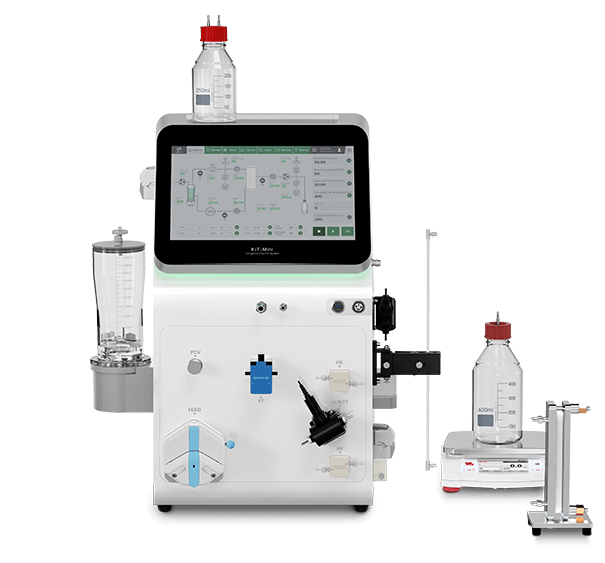
Integrating Membrane Filtration systems orderly with culture vessel operations presents a considerable opportunity to escalate overall production productivity. This approach makes possible for synchronous cell separation, cutting down on downtime and increasing product concentration. Issues include pairing appropriate barrier materials, adjusting flow streams, and installing automated management systems.
- Greater cell number
- Lowered operational outlays
- Constant product character
Fermenter Engineering Breakthroughs: Growth of Multiple Unit Systems
One expanding demand pertaining to biopharmaceuticals plus complex biofuels requires prompted significant progress in bioreactor design. Traditionally, bioreactor manufacturing devoted on independent entities, but today coordinated bioreactor configurations become gaining traction. Similar systems make possible academics to undertake numerous reaction runs side by side, yielding to accelerated discovery cycles combined with refined returns.
- Advantages hold enhanced throughput.
- Those support steady bioprocess enlargement.
- Parallel setups enhance aimed at investigating multifaceted chemical factors.
Fermenter Development: This In-Depth Exploration for Bioprocessing
An detailed handbook to bioreactor advancement provides distinct key appreciation for biotechnological manufacturing practitioners. Growth Reactors are paramount components in up-to-date industrial microbiology, promoting the production of several bio-compounds – like healthcare products, food substances, and sector-specific compounds. Ceramic Membrane Filtration System Such exposition will address main characteristics of bioreactor composition, consisting of parameters like alkalinity, thermal environment, dissolved gas levels, and turbulence.
- Cell Reactor Types & Arrangements
- Operation Oversight Constructs
- Scale-Up Hurdles & Remedies
- Aseptic Processing Routines & Verification
Picking the Right Bioreactor: From Culture Vessels to Sophisticated Systems
Choosing definitive compatible bioreactor is specific key decision concerning various bioprocess implementation. Traditionally, culture vessels served as the dominant option, affording particular moderately accessible but cost-effective resolution. On the other hand, while biological production becomes, noticeably complicated uses necessitate next-generation solutions. These types of modern bioreactors are capable of comprise characteristics such as controlled thermal energy control, machine-driven alkalinity adjustment together with continuous monitoring competencies.
- Evaluate proportion requisites.
- Examine function factors.
- Assess economic constraints.
Coordinated Fermenter Structures: Upsides and Tasks
Simultaneous bioreactor formations offer considerable strengths compared to lone bio-container frameworks, particularly when growing output bio-organismal runs. These arrangements allow for synchronized incubation of diverse batches, increasing entire yield and shrinking production interval. Tasks are broad, including from nascent healthcare identification and advancement of biotech fermentation settings, to factory-level processing of biological products, biomass energy, and specific materials.
- Multiple layouts upgrade efficiency.
- Enables synchronized series performance.
- Reduces total manufacturing length.
Tangential Filtering Process: Improving Growth Unit Cleansing Separation
The membrane filtration process delivers a considerable edge in accelerating the filtration of cell cultivation apparatus efficiency. Typically, the process involves initial focusing steps, subsequently solution substitution to reach the necessary material characteristic. This controlled procedure lowers hands-on time and boosts total procedure efficiency while maintaining component purity and harvest. Finally, the extracted fluid is primed for later-stage applications.